
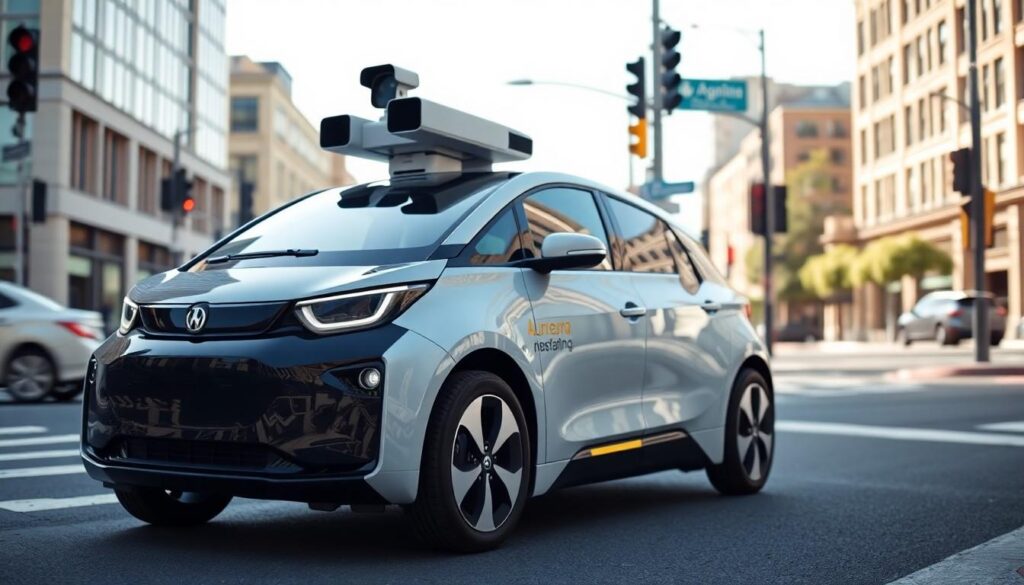
In a world where cars can almost think for themselves, the automotive industry is shifting gears faster than a sports car on a racetrack. Welcome to the realm of automotive IoT, where vehicles connect, communicate, and even conspire to make your drive smoother. Imagine your car alerting you about traffic jams while simultaneously scheduling your next oil change. Sounds like science fiction? It’s reality, and it’s revving up!
As technology evolves, so do the ways we interact with our vehicles. The Internet of Things is transforming cars into smart companions that enhance safety, efficiency, and convenience. From predictive maintenance to personalized driving experiences, the benefits are as thrilling as a Sunday drive on an open highway. Buckle up as we explore how automotive IoT is not just a trend but a game-changer that’s driving the future of mobility.
Overview of Automotive IoT
Automotive IoT combines vehicles with communication technologies, creating smarter transportation systems. Each connected car utilizes data collected from sensors to improve performance and enhance safety. Smart systems monitor driving conditions, offering real-time feedback on vehicle health and environmental factors.
Users benefit from features like automatic maintenance reminders and alerts about nearby hazards. These systems help drivers make informed decisions, ensuring safer journeys. Fleet management companies leverage IoT technology to track vehicle locations and optimize routes, reducing costs and improving efficiency.
Integration with mobile apps provides seamless user experiences. Drivers access vehicle data instantly, including fuel consumption and maintenance needs. Manufacturers deploy updates remotely, ensuring vehicles stay current with the latest features.
The rise of automotive IoT leads to advancements in autonomous driving technology. Sensors and cameras communicate with infrastructure, gathering data to navigate complex environments. Safety features like collision avoidance rely heavily on real-time information to function effectively.
Connection between vehicles and the surrounding environment fosters a holistic approach to urban mobility. Sensors in smart cities provide traffic data, allowing vehicles to adapt to changing conditions. This interconnected system enhances overall traffic flow and reduces congestion.
Leaders in the automotive sector continually innovate, refining IoT solutions to address evolving consumer demands. As the market grows, the synergy between technology and transportation promises a more connected future for mobility.
Key Technologies in Automotive IoT

Automotive IoT relies on several key technologies that enhance vehicle intelligence and connectivity.
Sensors and Devices
Sensors play a crucial role in automotive IoT. They gather data about vehicle performance, environmental conditions, and driver behavior. Cameras, GPS units, and radar systems provide real-time information to improve safety and efficiency. These devices detect obstacles, monitor tire pressure, and analyze fuel consumption, enabling proactive maintenance alerts. Connected vehicles utilize this sensor data to deliver insights that enhance the overall driving experience. Regular updates ensure these sensors function optimally, supporting features like lane assist and adaptive cruise control.
Connectivity Solutions
Connectivity solutions form the backbone of automotive IoT. Mobile networks enable vehicles to communicate with each other and surrounding infrastructure. Options like 4G, 5G, and Vehicle-to-Everything (V2X) communications facilitate seamless data exchange. Implementing cloud platforms enhances data storage and processing capabilities, leading to better decision-making. IoT platforms connect vehicles across various ecosystems, enabling fleet tracking and remote diagnostics. As connectivity evolves, it empowers manufacturers and service providers to improve vehicle management and user experience effectively.
Applications of Automotive IoT
Automotive IoT enables various innovative applications that enhance functionality and user experience. These applications play a crucial role in shaping the future of mobility.
Smart Fleet Management
Smart fleet management systems utilize IoT technology to optimize operations and decrease costs. Companies with connected vehicles track real-time data, enabling better monitoring of fleet performance. Efficient route planning reduces fuel consumption and travel time. Maintenance alerts minimize downtime, ensuring vehicles remain operational. Companies gain insights into driver behavior, allowing them to implement safety training programs. Enhanced data analytics fosters informed decision-making, ultimately improving overall fleet efficiency.
Vehicle-to-Everything (V2X) Communication
V2X communication transforms how vehicles interact with their environment. This technology allows cars to communicate with infrastructure, such as traffic lights and road signs. Information about upcoming traffic conditions and hazards becomes readily available. Enhanced safety measures result from timely alerts about pedestrian crossings or accidents. Vehicles also exchange data with one another, significantly reducing the likelihood of collisions. V2X contributes to smarter city planning and traffic management, improving the flow of urban mobility. The integration of this technology leads to a more efficient transportation system.
Benefits of Automotive IoT
Automotive IoT enhances vehicle safety through smart sensors that detect potential hazards. Real-time alerts about nearby dangers significantly reduce accident risks, providing drivers with critical information instantly. Efficient route planning not only saves time but also lowers fuel consumption, contributing to overall cost reduction.
Increased connectivity results from advanced communication technologies like 5G and V2X, enabling seamless data exchange. Fleet management companies leverage this connectivity for real-time vehicle tracking, optimizing operational efficiency and minimizing downtime. Maintenance alerts generated by onboard diagnostics ensure timely servicing, extending vehicle lifespan.
Convenience stands out among the benefits, with mobile app integration allowing drivers to monitor vehicle health remotely. Access to vital data about fuel consumption and maintenance needs keeps drivers informed and proactive. Remote software updates ensure vehicles remain up-to-date with the latest features and security enhancements.
User experience improves with innovations in autonomous driving technology. Vehicles equipped with sophisticated sensors communicate effectively with infrastructure, enhancing navigation in complex environments. This technology also contributes to smoother traffic flow, reducing congestion and improving urban mobility.
Environmental sustainability receives a boost through efficient vehicle management. Reduced emissions result from optimized routes and fuel-efficient driving behaviors, ultimately contributing to greener transportation systems. Together, these advancements foster a holistic approach to mobility, revolutionizing how individuals interact with their vehicles.
Challenges and Concerns
Automotive IoT, despite its numerous benefits, faces significant challenges and concerns that require attention.
Security Issues
Cybersecurity threats present a critical issue in automotive IoT. Hackers might exploit vulnerabilities in vehicle communication systems, potentially gaining unauthorized access to sensitive data and control systems. Comprehensive security measures like encryption and secure communication protocols play a vital role in protecting vehicles from breaches. Consequently, manufacturers must prioritize robust cybersecurity strategies during the development process. Regular software updates can mitigate the risk of exploitation, ensuring vehicles remain resilient against emerging threats. Collaboration among stakeholders—automakers, tech companies, and regulatory bodies—further enhances overall security.
Data Privacy
Data privacy remains a pressing concern in the context of automotive IoT. Vehicles collect vast amounts of data, including location, driver behavior, and vehicle diagnostics. Unauthorized access to this information could lead to privacy violations, with implications for users’ personal information. Manufacturers need transparent policies outlining data collection practices, ensuring user consent and awareness. Implementing strict data governance frameworks can help protect user data from misuse. Users should have control over their information, including the ability to opt out of non-essential data collection, fostering trust in automotive IoT systems. By addressing data privacy, manufacturers can prioritize customer confidence in their vehicles.
Future Trends in Automotive IoT
Automotive IoT technology continues evolving, driving innovations that reshape user experiences and vehicle capabilities. Enhanced connectivity through 5G networks promises faster data transmission and lower latency, facilitating real-time communication between vehicles and infrastructure. Such advancements lead to improved safety measures as vehicles can share crucial information instantly, alerting drivers to potential hazards in their vicinity.
Autonomous driving systems rely heavily on sophisticated algorithms and machine learning. These technologies learn from vast amounts of data, improving their decision-making processes over time. Manufacturers increasingly leverage V2X communication to enable vehicles to interact with traffic lights and other infrastructure elements, enhancing the overall flow of urban traffic.
Predictive maintenance technologies also gain traction. Sensors built into vehicles analyze performance data to predict potential failures before they occur. Drivers receive timely notifications, allowing for proactive maintenance that keeps vehicles running efficiently and reduces unexpected breakdowns.
Fleet management firms benefit significantly from IoT advancements, optimizing fleet routes by using real-time traffic data. Such optimization leads to reduced fuel consumption and operating costs. Companies implementing these systems typically see improved delivery times and enhanced customer satisfaction due to increased operational efficiency.
Sustainability initiatives gain momentum as well. Electric and hybrid vehicles integrated with IoT contribute to tracking emissions and improving energy consumption metrics. Enhancing vehicle efficiency aligns with global efforts to reduce carbon footprints, reflecting a growing emphasis on environmental responsibility among consumers.
Cross-industry collaborations emerge as automakers partner with technology giants. Sharing expertise facilitates innovative solutions that accelerate the deployment of automotive IoT technologies. Increased collaboration highlights a shift towards an integrated ecosystem that supports seamless mobility experiences for future generations.
The automotive IoT landscape is rapidly evolving and reshaping how vehicles operate and interact with their surroundings. With advancements in connectivity and smart technologies, drivers can expect enhanced safety, efficiency, and convenience on the road. As manufacturers and service providers prioritize innovation, the integration of IoT will continue to transform mobility experiences.
Addressing challenges like cybersecurity and data privacy will be crucial for building trust among consumers. As the industry embraces collaboration between automakers and tech companies, the future promises a more connected and sustainable approach to transportation. Embracing these developments will pave the way for smarter cities and improved urban mobility, ultimately benefiting everyone on the road.


